



By Terra Turf Landscape Editorial Team · Updated 2026-08-21
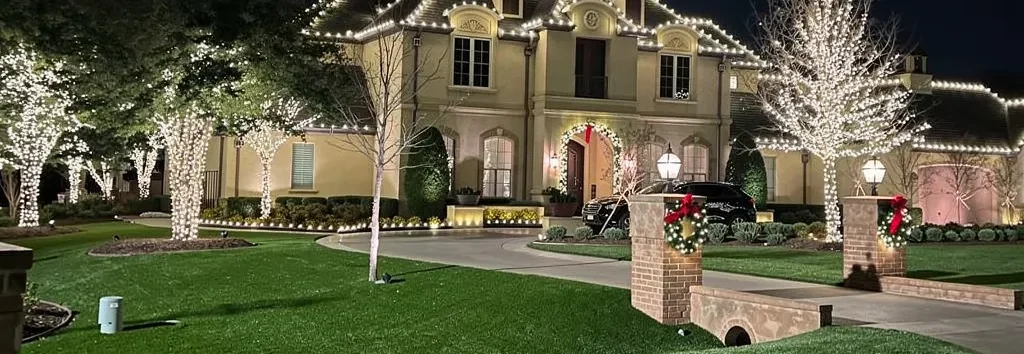
Synthetic grass installation in Plano, Texas delivers year-round green turf without the heavy watering natural lawns demand in the region’s humid subtropical climate. Terra Turf Landscape installs low-maintenance, eco-friendly artificial turf that resists harsh Texan sun, reduces water bills, and eliminates mowing, giving homeowners and property managers a durable, resilient landscape solution.
Key Takeaways
- Synthetic grass eliminates harsh Texas sun damage that dehydrates and kills natural grass in Plano’s climate.
- Terra Turf Landscape has served Plano homeowners and businesses for decades with low-maintenance turf installation.
- Artificial turf requires significantly less water than natural grass in Plano’s humid subtropical environment.
- Synthetic grass stays green year-round despite Plano’s cold, windy winters and hot, muggy summers.
Why Does Plano’s Climate Favor Synthetic Grass?
Plano sits in a humid subtropical climate zone, marked by scorching, muggy summers and windy, cold winters. That combination punishes natural lawns twice a year, leaving little room for recovery between seasons. Sod planted in spring often struggles by August due to the extreme heat that affects many grass species.
Summer sun in Plano does more than tan a lawn — it dehydrates it. Blades lose moisture faster than roots can replace it, and without constant irrigation, grass browns, thins, and eventually dies. Winter brings the opposite stress: dry winds strip whatever resilience the lawn built up during warmer months. Few residential turfgrasses handle both extremes well.
Synthetic grass sidesteps the problem entirely. Because it contains no living tissue, heat and wind pose no survival threat. The material simply holds its color and structure through both seasonal extremes, which is one of the core benefits of synthetic grass installation for North Texas properties.
Does synthetic turf actually perform better than sod in Plano?
Performance depends on climate match, and Plano’s weather pattern favors synthetic materials over living grass. Sod requires consistent watering and shade management to survive summer; synthetic turf requires neither.
Why does local experience matter for turf installation?
Terra Turf Landscape operates out of Plano, Texas, giving the company direct, ongoing exposure to the region’s soil composition and seasonal swings. That familiarity shapes installation decisions — drainage layout, base preparation, and material selection — in ways a company without local grounding cannot easily replicate.
How Much Water and Upkeep Can You Save?
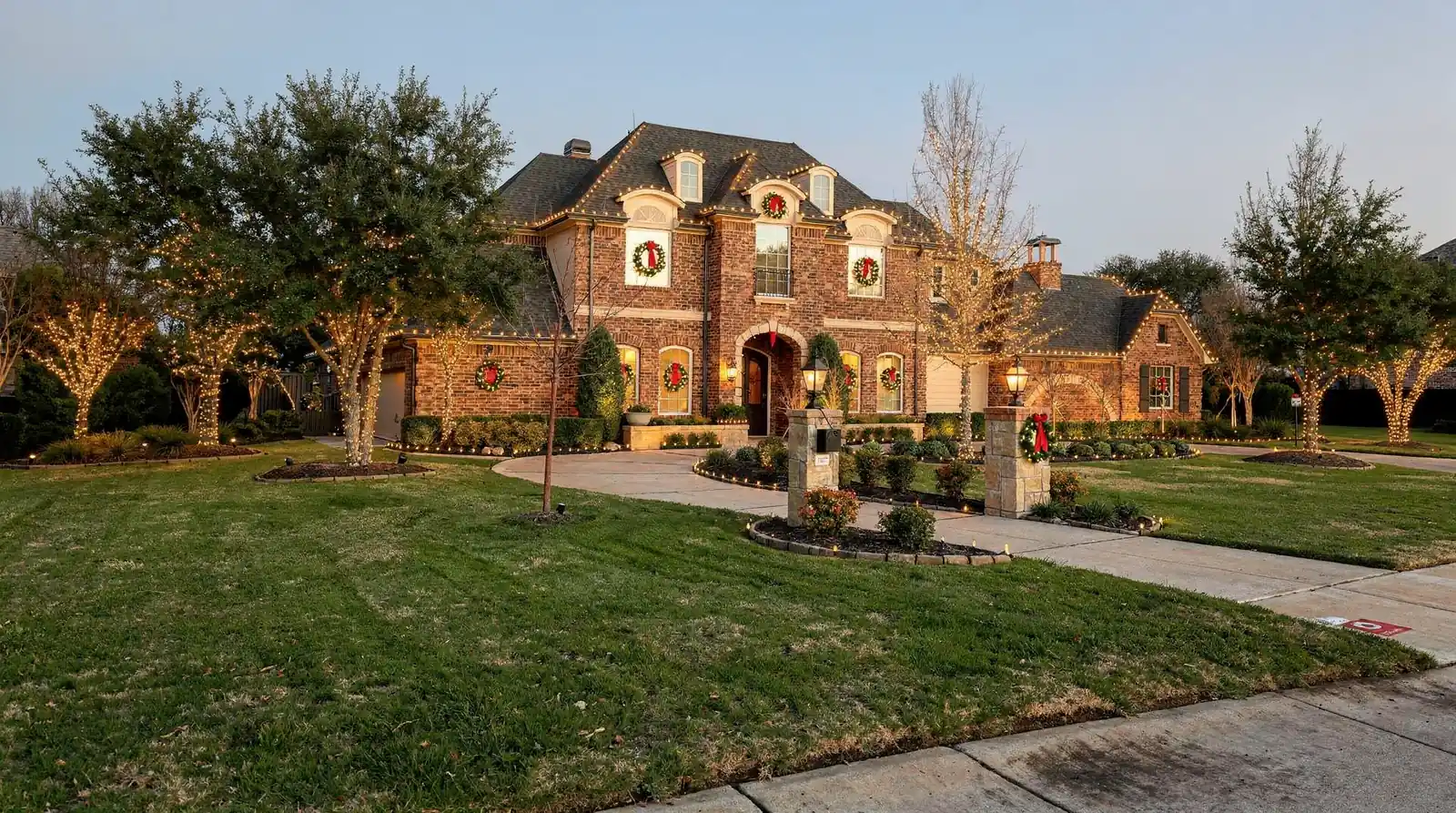
Water bills climb fastest in Plano yards clinging to natural grass through July and August. Sod demands constant irrigation to survive North Texas heat, and that consumption shows up on monthly utility statements. Property managers and homeowners chasing a green lawn often pour resources into a losing battle against evaporation, clay soil, and triple-digit afternoons.
Even diligent irrigation schedules fail to protect grass from the region’s punishing summer sun. Lawns dehydrate, yellow, or develop bald patches despite regular watering, leaving curb appeal inconsistent from one season to the next. Estate owners who invest in polished landscaping find that natural turf undermines that effort the moment temperatures spike.
Synthetic grass removes that variable entirely. One of the clearest benefits of synthetic grass installation is the elimination of routine mowing, fertilizing, and reseeding, tasks that consume weekend hours and landscaping budgets alike. No dead patches. No mud after storms. No scheduling irrigation runs around watering restrictions.
Does Artificial Turf Really Cut Water Usage?
Yes. Synthetic lawns eliminate the irrigation demand that drives up summer water bills for natural grass. Since the surface never needs watering to stay green, households avoid the seasonal spikes tied to sprinkler cycles.
Does Synthetic Turf Still Need Irrigation Nearby?
Often, yes, particularly where turf borders flowerbeds, trees, or ornamental plantings. Terra Turf Landscape addresses this by integrating irrigation coverage and zoning into complete outdoor living designs. Turf areas and surrounding plant beds receive water only where it’s actually needed. That coordinated approach keeps the whole property functioning efficiently rather than treating turf as an isolated fix.
Why Does Professional Drainage Planning Matter Most?
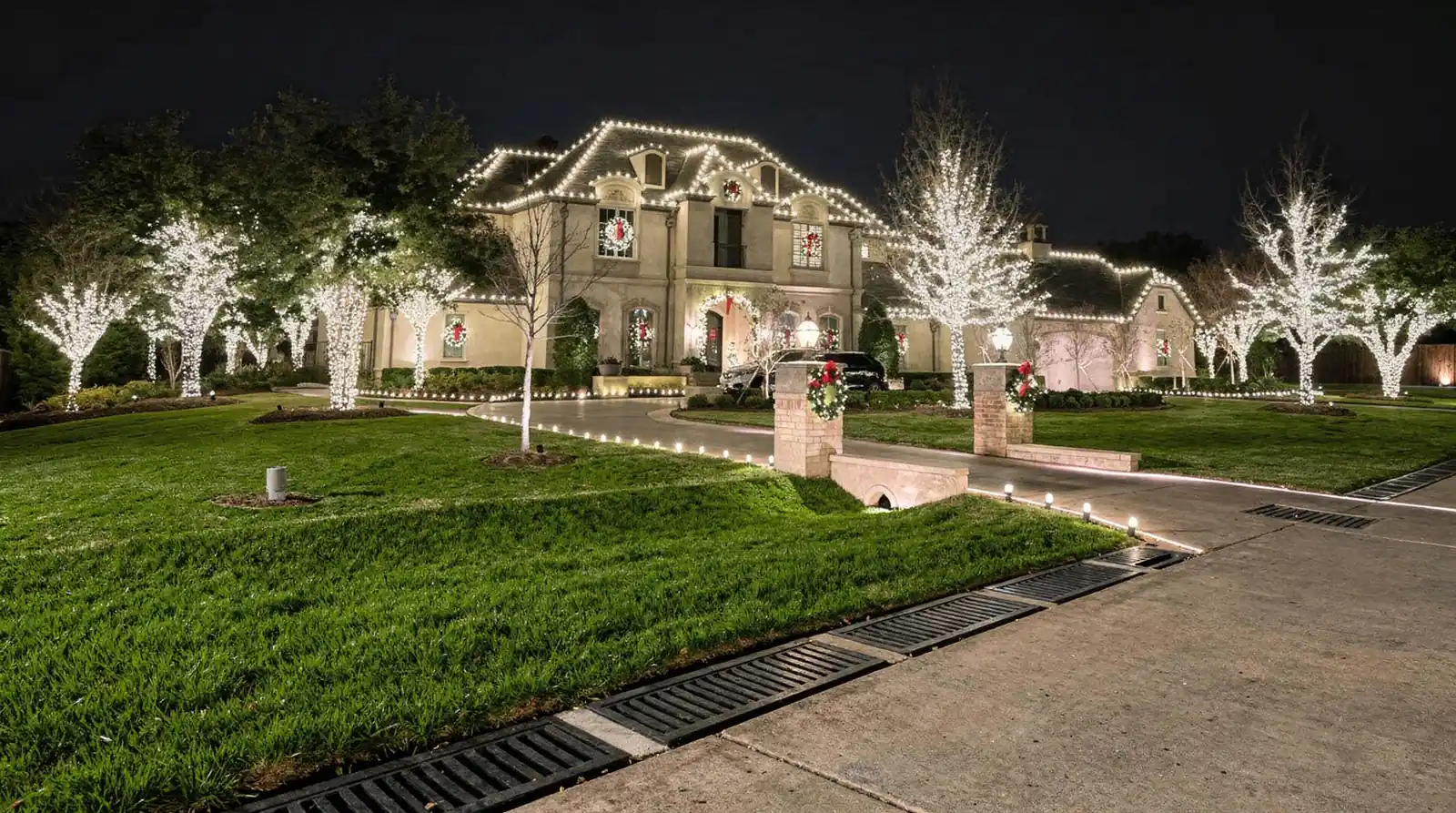
Drainage determines whether a Plano lawn thrives or fails within a few seasons. Structural protection, not surface polish, is the real function of a properly engineered drainage system. Left unaddressed, water pooling beneath turf or along a foundation erodes soil, undermines base material, and shortens the life of any landscape investment on a North Texas property.
For estate owners weighing the benefits of synthetic grass installation, drainage planning becomes even more critical. Synthetic turf performs beautifully on a well-graded base, but it cannot compensate for poor water management underneath it. Engineered systems account for property size, water volume, elevation changes, and where discharge needs to go before a single yard of turf gets installed.
What factors go into a drainage plan for a Plano property?
Grading, soil composition, and runoff patterns all shape the design. A comprehensive on-site evaluation identifies elevation challenges and water flow before any construction proposal gets written. Terra Turf delivers a detailed, written proposal after that evaluation, giving property owners a clear plan rather than guesswork.
Does drainage planning affect the rest of the landscape design?
Yes — drainage flow and grading factor directly into the broader design process. When Terra Turf builds a custom landscape plan for a Plano property, drainage works alongside:
- Architectural lines and hardscape layout
- Lighting placement and fixtures
- Irrigation zoning and water delivery
- Grading and elevation corrections
Skipping this coordination risks costly rework later. A drainage system planned in isolation from the rest of the landscape often conflicts with irrigation lines or grading elsewhere on the property. Integrated planning protects the investment from the ground up, keeping turf, plantings, and hardscape working together instead of against each other.
Which Turf Options Fit Your Lifestyle Best?

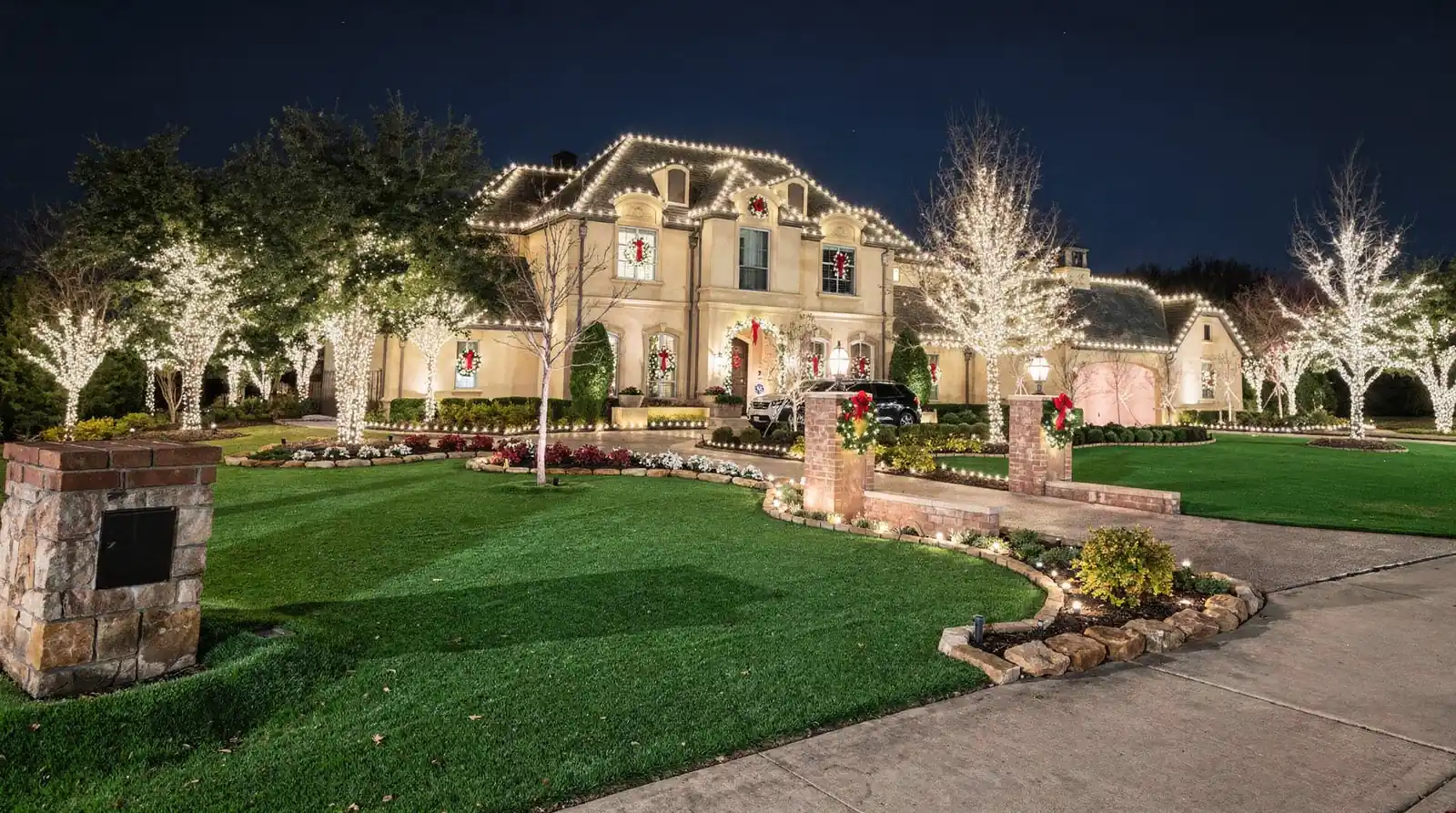
Four turf categories serve Plano properties best: landscape turf for green, picturesque curb appeal, luxury turf for a plush estate feel, pet-friendly turf built for durability and easy cleanup, and family-friendly turf designed for active kids. Each option solves a different problem for a different household. A downtown Plano bungalow with a small dog has different needs than a Willow Bend estate with a pool and three grandchildren visiting every weekend.
The benefits of synthetic grass installation become clear once a homeowner matches the product to actual daily use, not just appearance.
Which turf works best for a Plano backyard with dogs?
Pet-friendly turf holds up best against digging, scratching, and repeated foot traffic. It resists staining and rinses clean, which matters during Plano’s humid summer months when odor control becomes a bigger concern.
Does luxury turf look different from standard landscape turf?
Yes. Luxury turf carries a denser, softer blade designed for visual richness around pools, patios, and formal entertaining spaces. Landscape turf, by contrast, prioritizes a clean, uniform green suited to everyday front-yard presentation.
Selecting the right category is only step one. A landscape should feel intentional — architecturally aligned, professionally executed, and built to mature gracefully — a standard that applies just as much to synthetic turf as it does to planting beds and hardscape design.
How Do You Choose the Right Installer?

Credentials separate dependable synthetic grass contractors from risky ones. Plano homeowners should look for industry association membership, accreditation from the Better Business Bureau, and recognized design awards before signing any contract. These markers signal an installer has met independent standards for workmanship. Business practices, not just made promises in a sales pitch.
Reputation matters just as much as paperwork. The strongest installers consistently earn high marks in customer reviews, reflecting quality craftsmanship and responsive service across completed projects. Property managers and estate owners in Plano should treat a thin or inconsistent review history as a warning sign.
What should a Plano homeowner look for in an installer’s track record?
Longevity counts. A company with decades of experience serving North Texas brings extensive exposure to the region’s clay soils, drainage patterns, and extreme summer heat. Terra Turf Landscape is recognized for award-winning designs, structured project management, and hundreds of five-star reviews, a combination that demonstrates both design skill and reliable execution from start to finish.
Does location affect service quality after installation?
Yes, proximity shapes follow-up support. Terra Turf Landscape operates from a Plano, Texas base, meaning the same team that assesses drainage conditions and design needs remains available for maintenance questions or adjustments later. Homeowners comparing bids should weigh these factors:
- Verified accreditation (BBB rating, association membership, design awards)
- Local project history in Plano’s soil and climate conditions
- Review consistency across multiple platforms
- Post-installation availability for service and support
Choosing an installer on price alone often costs more in repairs down the road.
FAQ
Why does synthetic grass suit Plano’s climate?
Synthetic grass contains no living tissue. It withstands Plano’s scorching summers and windy, cold winters without dehydrating or dying like natural sod, staying green year-round despite these seasonal extremes.
How does synthetic turf reduce maintenance compared to natural grass?
Synthetic turf eliminates the mowing and constant irrigation that natural grass requires, giving homeowners and property managers a durable, low-maintenance landscape solution that doesn’t fight Plano’s clay soil and heat.
Why does Terra Turf Landscape’s local presence matter for installation?
Operating directly in Plano gives Terra Turf Landscape ongoing exposure to the region’s soil composition and seasonal swings, shaping decisions on drainage layout, base preparation, and material selection accordingly.
Conclusion
In closing, synthetic grass installation transforms outdoor spaces in Plano by delivering a durable, low-maintenance landscape solution that enhances property aesthetics while reducing environmental impact. Homeowners and commercial property managers benefit from year-round verdant lawns without the demands of traditional turf care. Terra Turf Landscape brings three decades of expertise to every synthetic grass project, ensuring professional installation that maximizes longevity and visual appeal for your North Texas property.
